My Role
Mid-senior designer, primary ownership of homepage, research, about us, sports and athletics, navigation, search, blogs and events
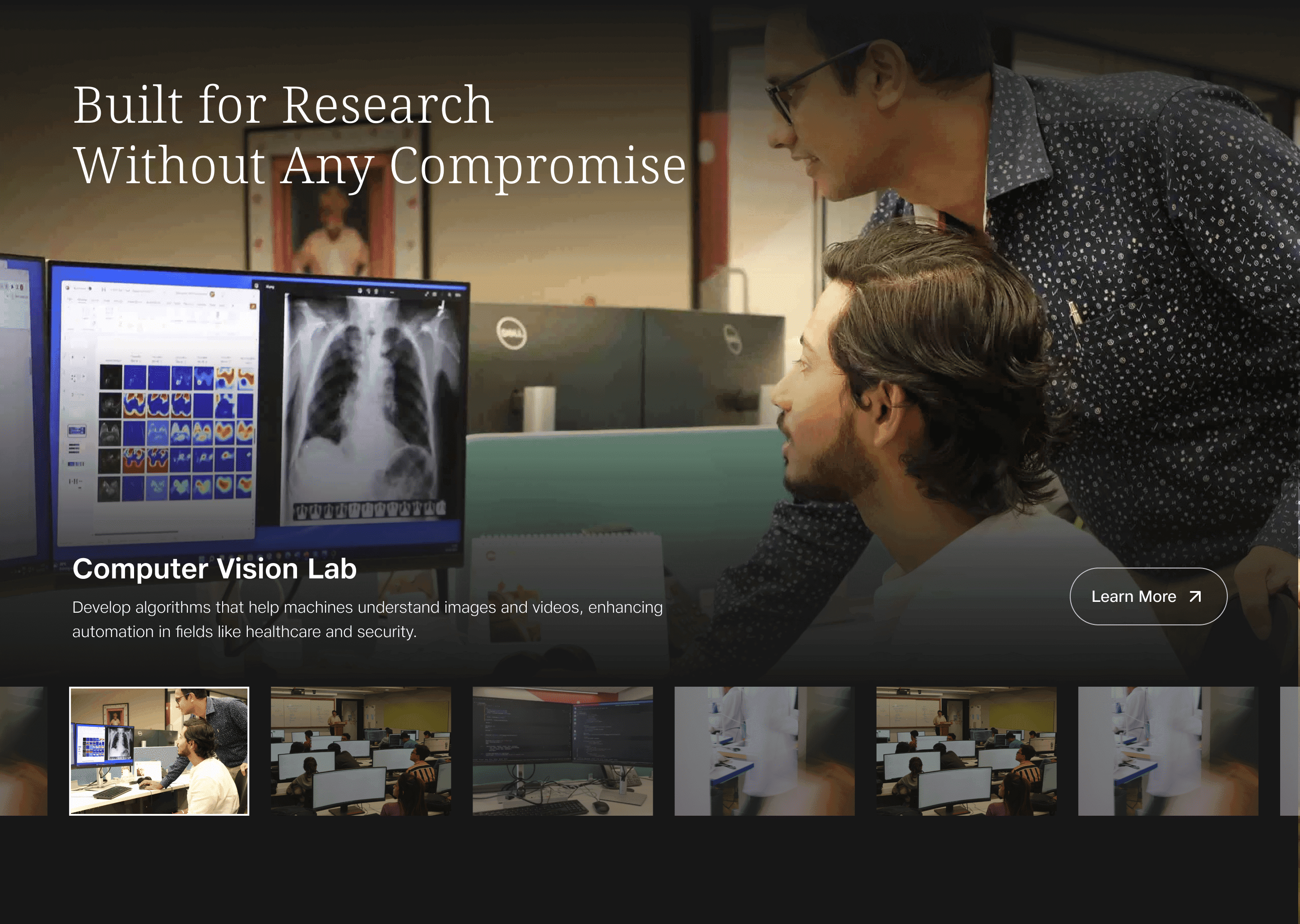
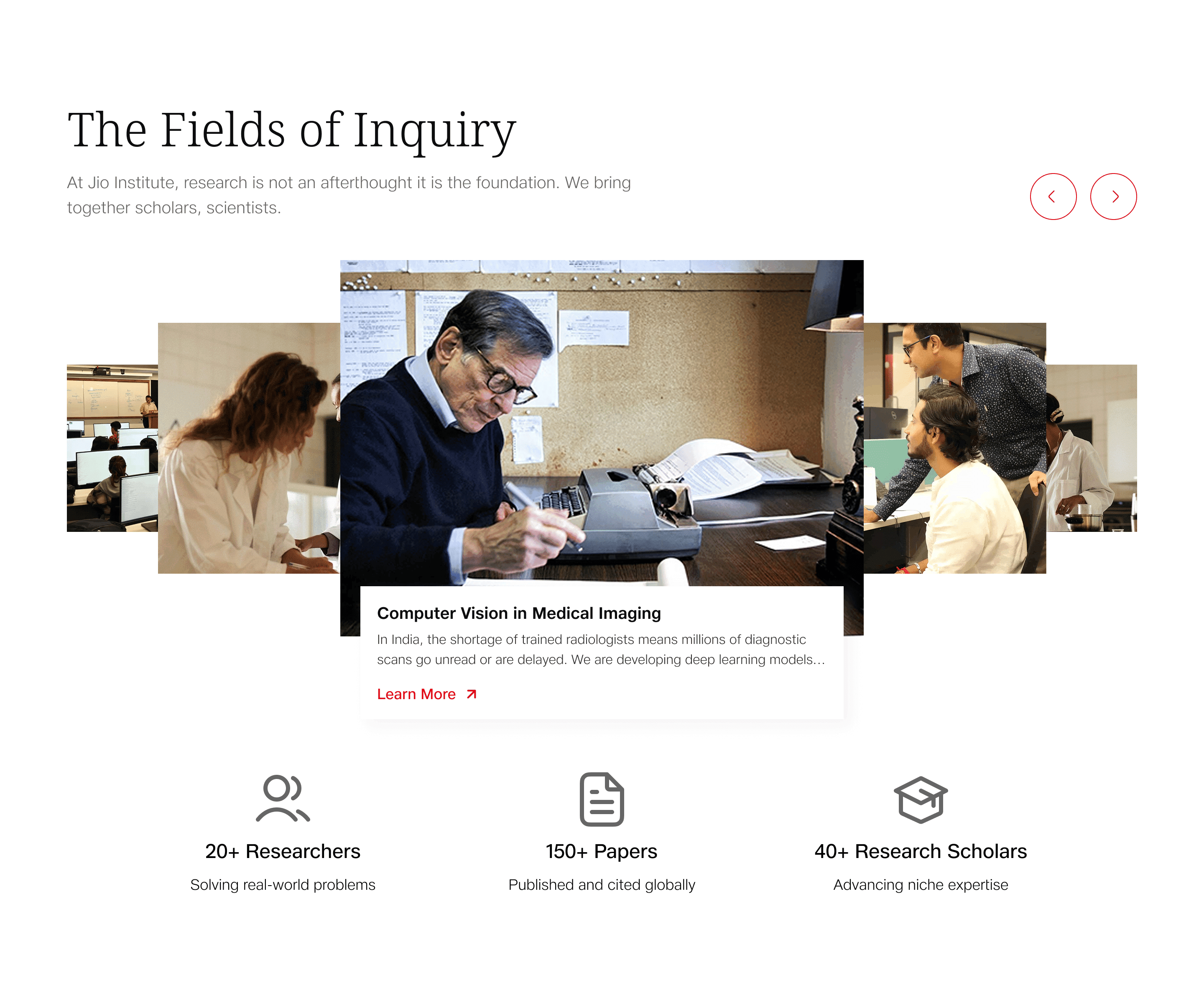
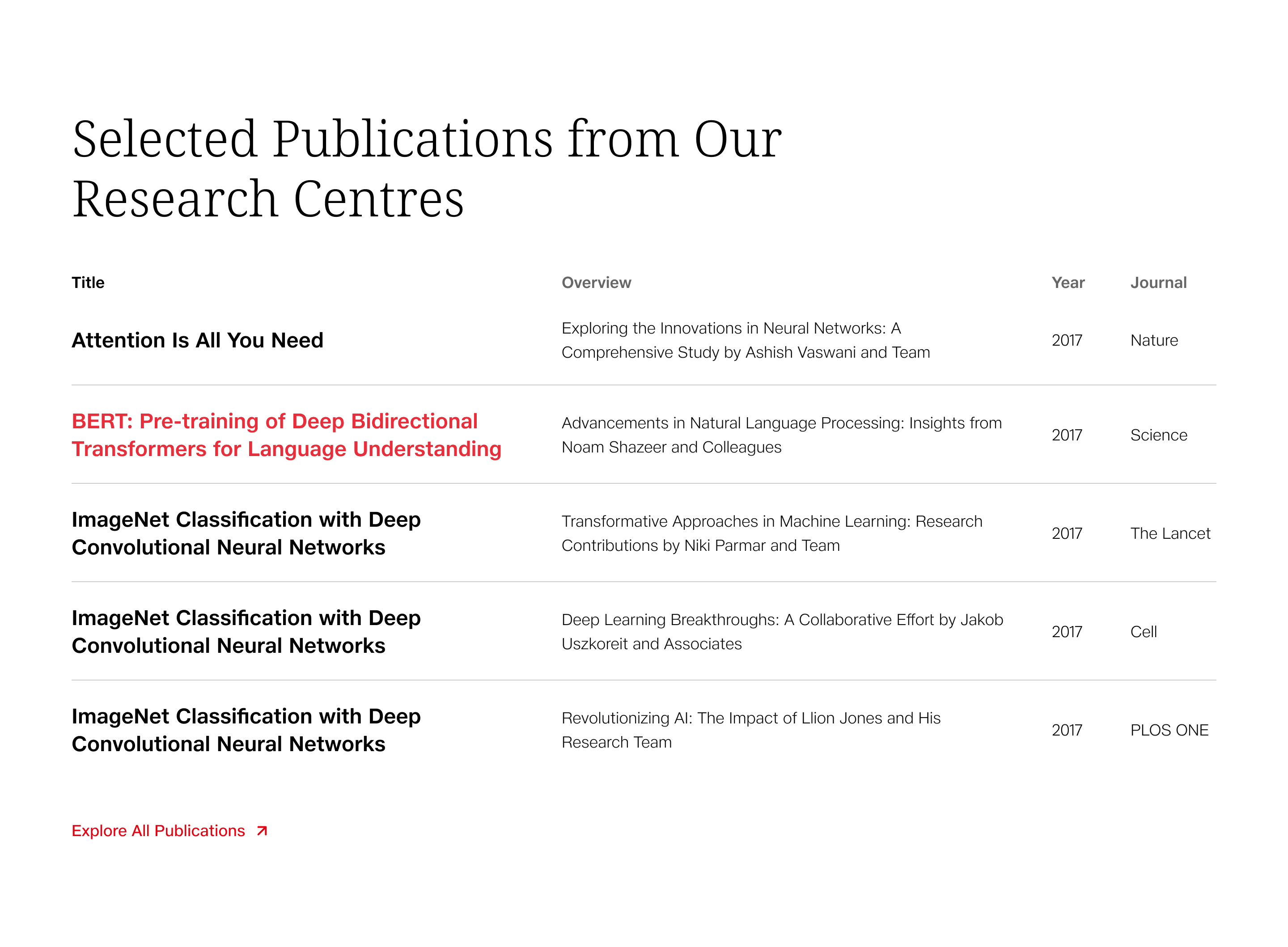
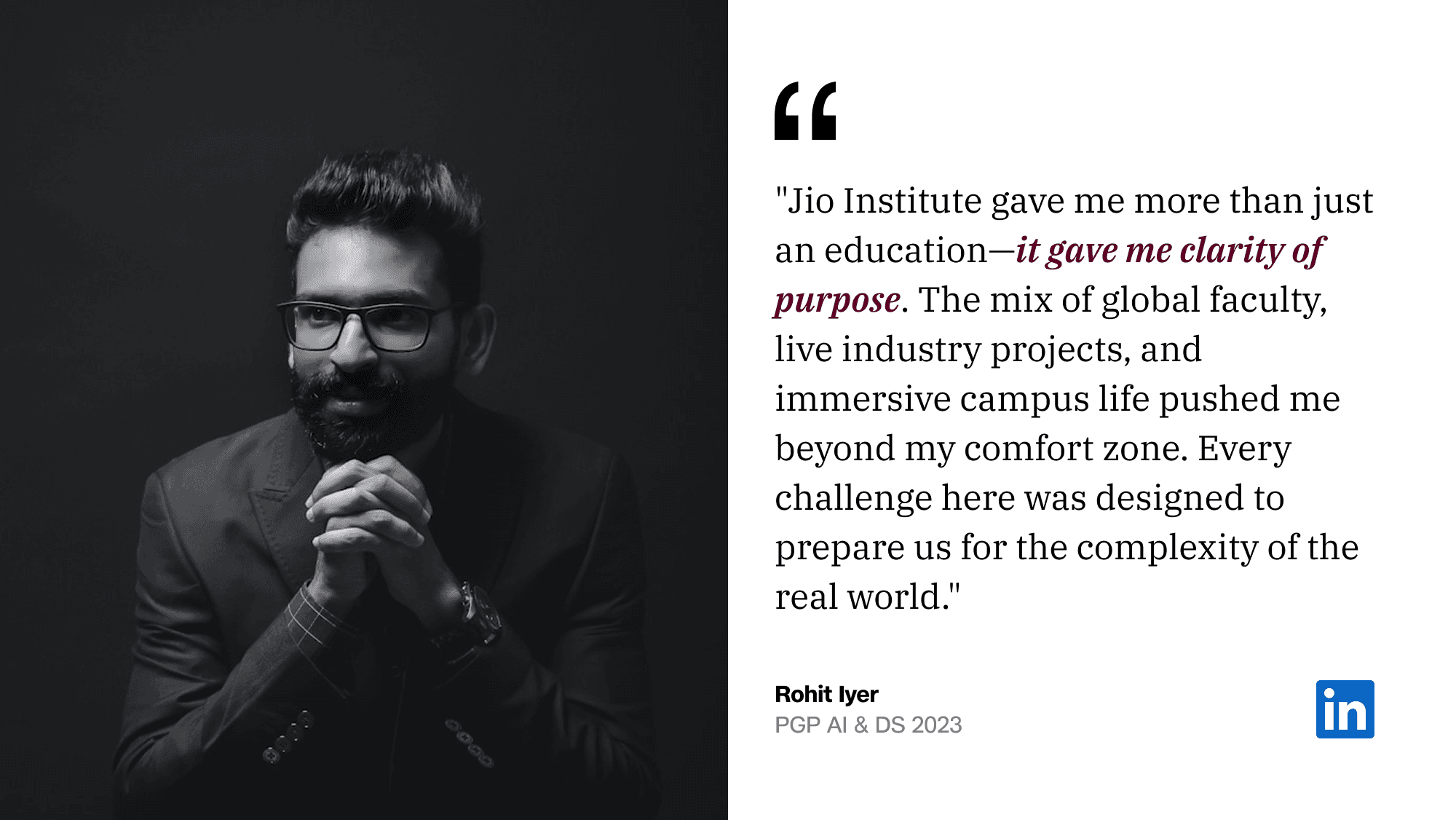


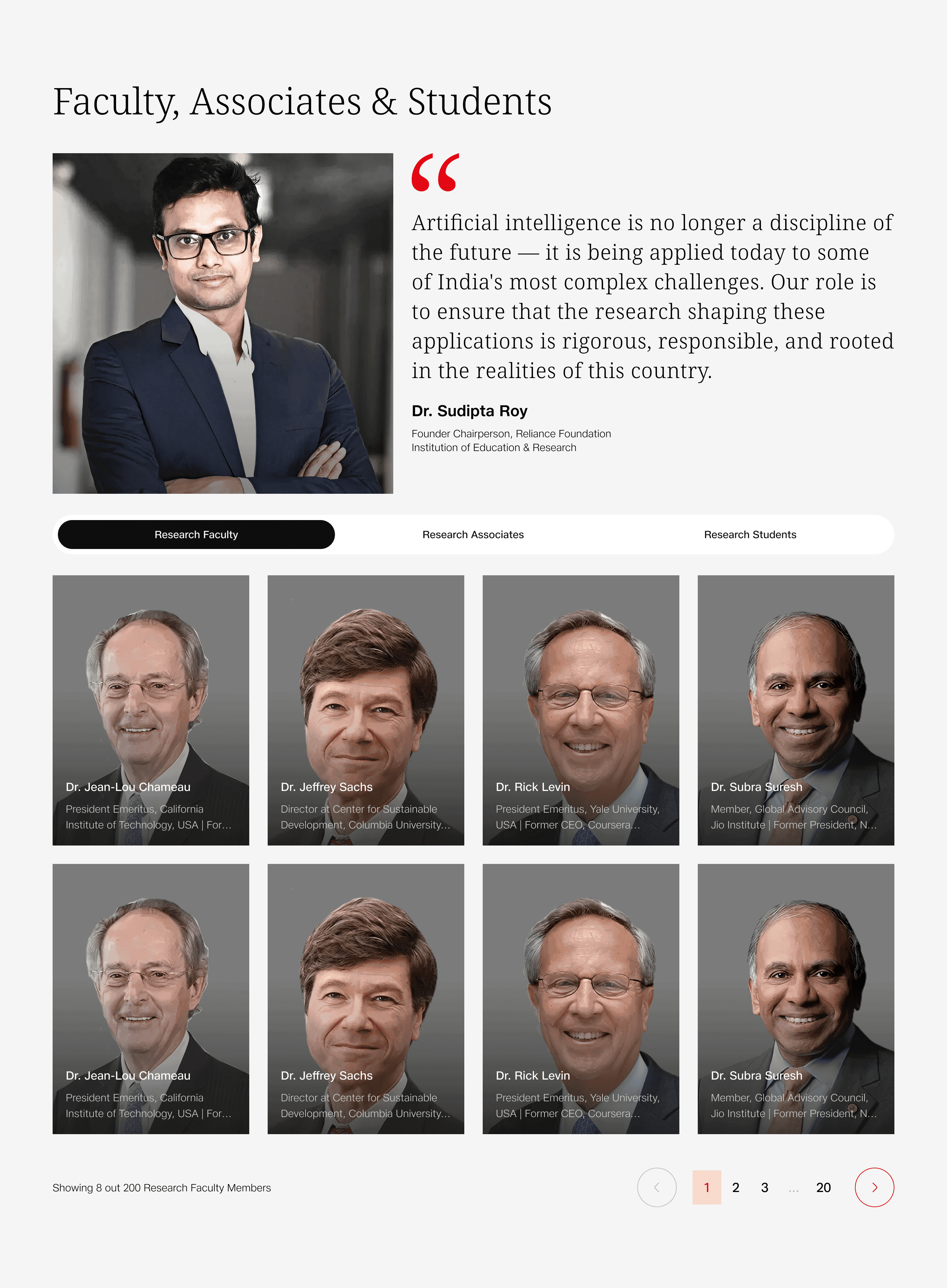
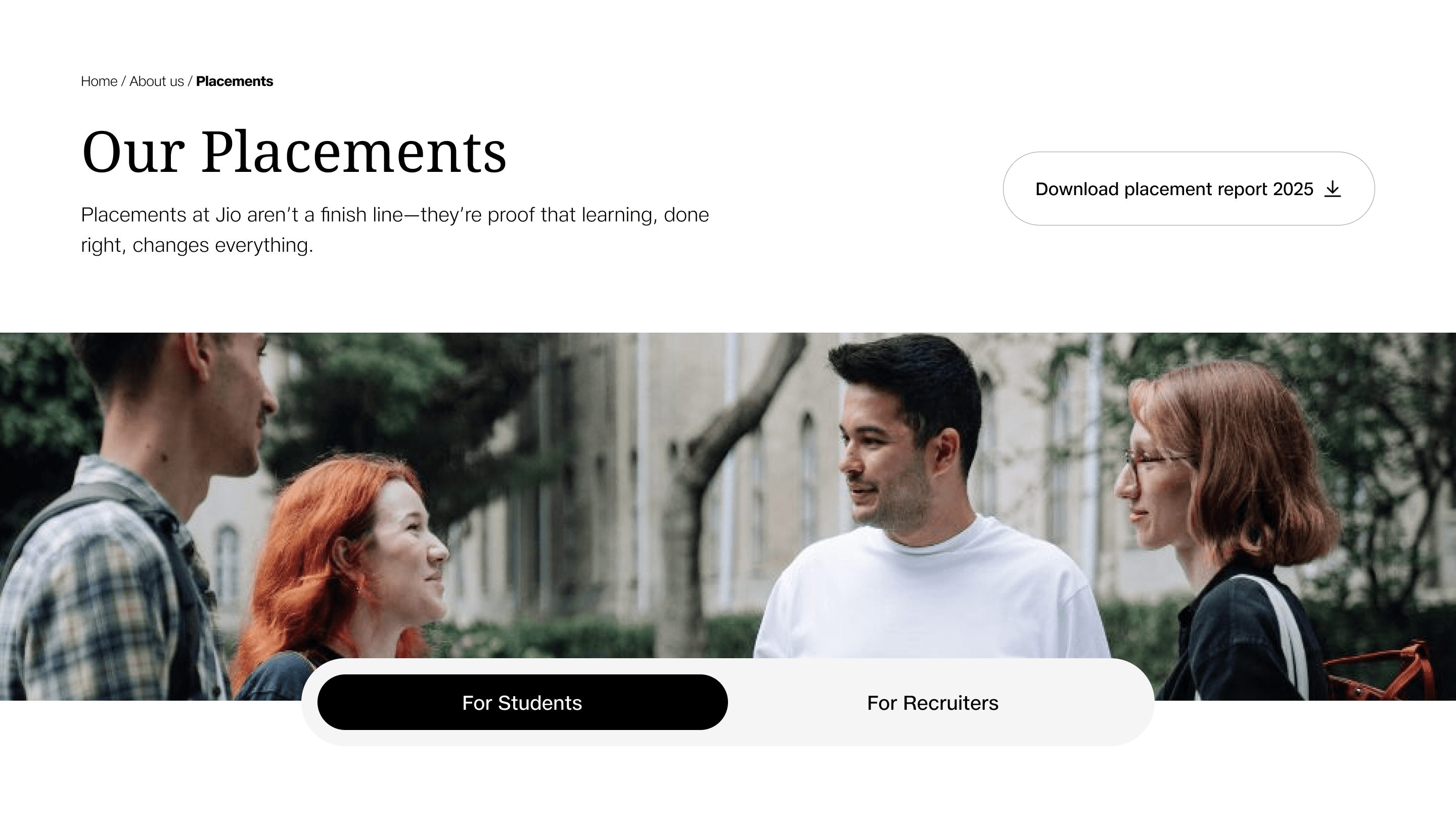
01
The brief
The team at Jio had seen our work on Master's Union and wanted something similar for their new University. Full website redesign: homepage, about us, programs, research, sports and athletics.
We aligned fast on a direction we all believed in.
Simon Sinek's Why-How-What as the structural spine.
Programs framed as instruments of change for Indian higher education.
A visual language drawn from Broadway, & the NMACC.
Everything presented through the redesign homepage. Everyone liked it. The brief felt cracked.
Then it reached the director.
"I did not like this at all. Please go back to Harvard University website and think through again."
— Director of Jio University
Video: Homepage V1
No elaboration. No direction. Just Harvard.
What followed was weeks of trying to decode five words and one reference. Two more rounds of revision. Presented, reviewed, rejected.
The challenge wasn't craft. We believed we solved the problem, but what we didn't realise that the expectation was something else entirely.
02
Unfolding the brief through rejection
Here's what Harvard does with its homepage:
Hero introduces the topic in spotlight.
Each section poses a question around that topic,
The content, blogs, research, in these sections, answers it.
The page doesn't tell you what Harvard is. It shows you what Harvard thinks about.
Its not that we didn't look at this website, the reason why we didn't go ahead with this direction was simple: Harvard could put up memes on its homepage & students would still apply, Jio was not there yet.
Jio was new to the market, therefore the website's role was to clearly establish who Jio was, why they were here, and what do they have to offer; but we did that, and we did that 5 times; but we were still failing, therfore we had to pivot.
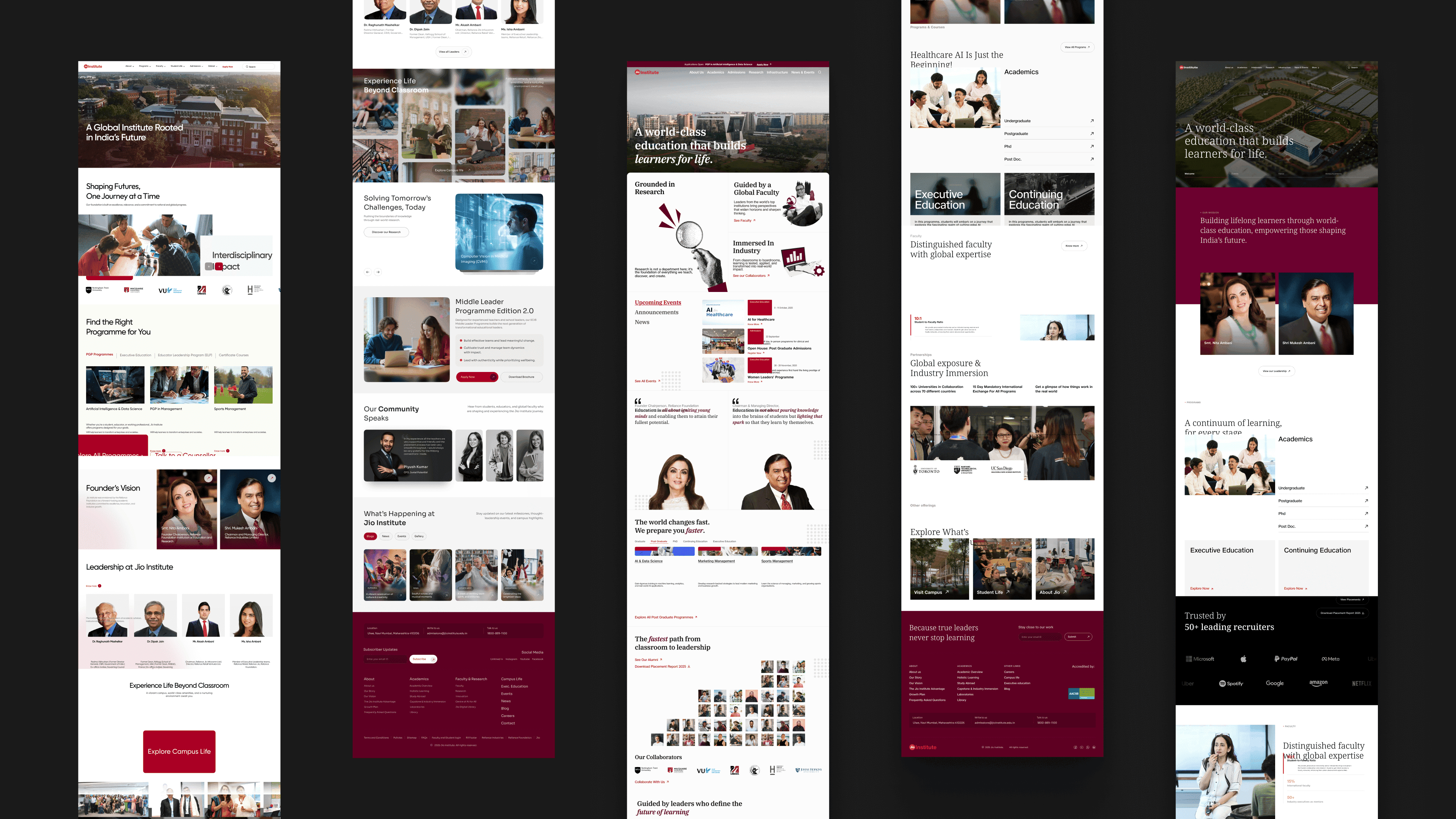
Image: 5 versions of the homepage
The problem statement changed:
Honour the director's emotional vision of institutional gravitas & account for the operational reality of the university still finding its footing.
I had some ideas, it was a bit against the grain & was hard to explain to my other team members, so I sat down and designed this version myself.
03
Going a bit irrational
The homepage I arrived at:
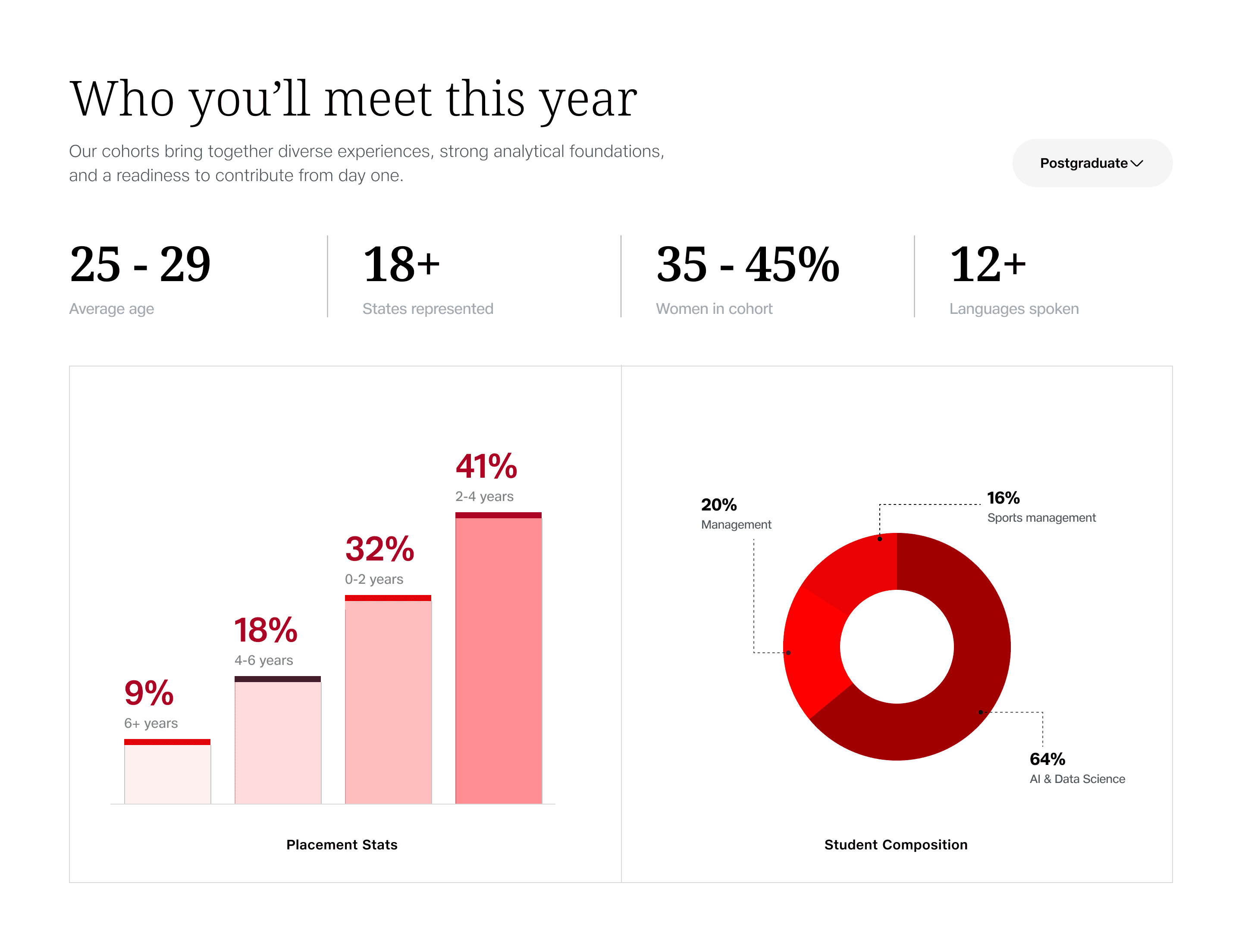
A hero that introduces the subject in focus
A section highlighting 3 problems/3 opportunities in that space
Three sticky sections breaking down how the institution addresses this issue/opportunity
Throughs it's research initiatives (A core pillar of Jio University)
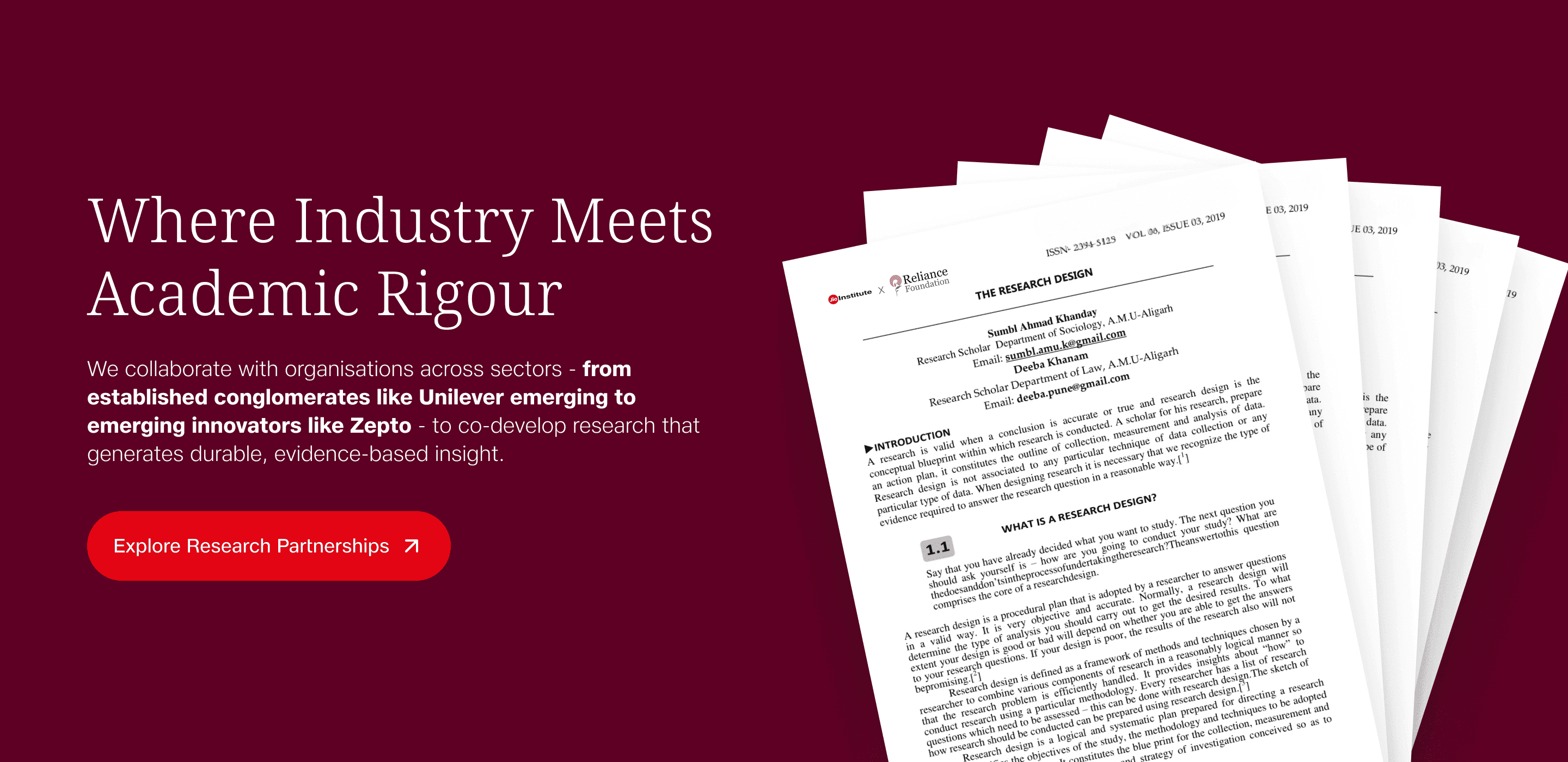
Through it's collaboration with top players in that industry
Through its events & programs
The world class faculty that is behind this mission
The directors of Jio University
The news that they are making
And finally, an invitation to join
So basically, What are we focusing on? → Why it matters? → How are we approaching this challenge? → Who is behind this mission? → What have we already delivered? → & if this activates the user, do they wish to join?
The key wasn't single section. The structure served as one system, one that potentially could be used on any topic whatsoever. Flexible content. Fixed narrative logic. It looks similar to Harvard, but differentiates itself via the narrative, and ofcourse the design.
When it was presented, the director didn't just approve it. He started defending it from the room.
Video: Homepage Final Final
04
Building from language
While working on this project I honed in my design process further, I had been reading Ogilvy on Advertising. One thing I learnt: most people read headlines and move on. He was talking about print ads. The behaviour maps onto landing pages as well.
I do it myself, I read section titles in sequence, skip the body copy, and get the full story without reading a word of supporting content. It's the reason behind those long landing pages influencers use to sell their snake oils; counter-intuitive but the numbers don't lie.
That became the step: Write the H1 of every section first. Read them in sequence, as a scroll. If those headlines alone tell the complete story of the page, the design is working.
Visual decisions serve the narrative. Not the other way around.
On a project where almost every piece of feedback was about feeling rather than function, this turned out to be the most precise tool I had.
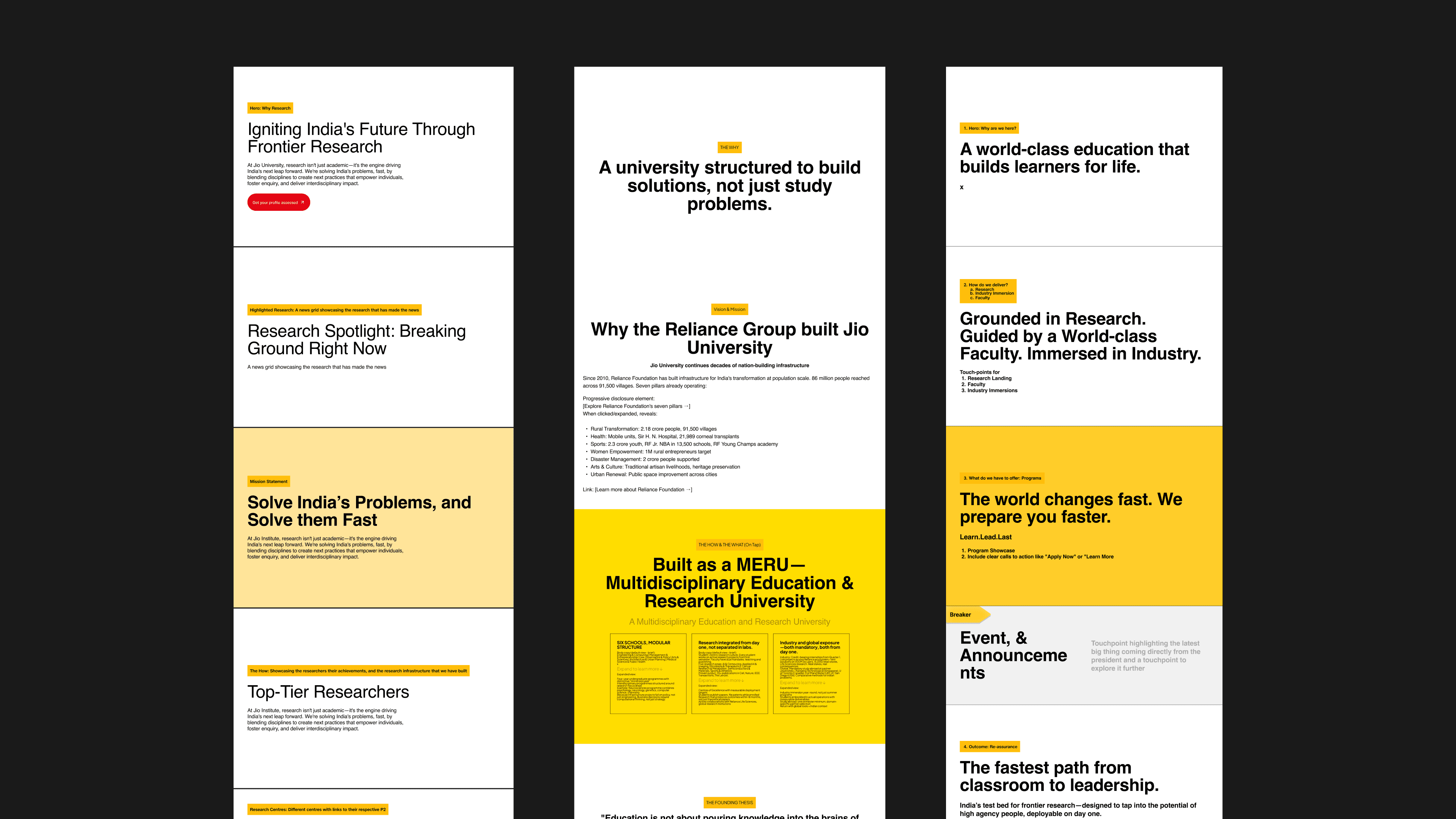
Image: examples of my H1 boards for different pages
05
You fight for what you believe. Then you do the work anyway.
Our original recommendation was probably more appropriate for where Jio University actually was. Young, still accumulating proof, not yet in a position to earn the Harvard comparison it was reaching for.
We lost that argument. And then we did the work anyway.
The tension between what you believe is right and what the client ultimately chooses, that's not a problem to be solved. It's a condition of the work. You make the case clearly, without apology. When the path goes a different way, your job isn't to disengage. It's to make that path as good as it can possibly be.